

Quick answer: Selling a vacant home requires extra attention to security, insurance, maintenance, and presentation. Secure the property (lights, locks, alert neighbors), check your insurance policy for vacancy clauses, keep up with lawn care and utilities, and strongly consider staging—empty rooms photograph poorly and feel cold to buyers. Work with an agent who can monitor the property and manage showings safely.
Whether you’ve already moved, inherited a property, or are selling after a divorce or estate settlement, vacant homes come with unique challenges. An empty house can attract unwanted attention, look uninviting to buyers, and quietly deteriorate without daily oversight.
Here’s how to sell a vacant home successfully—and avoid the common pitfalls.
Why are vacant homes harder to sell?
Empty homes face several disadvantages compared to occupied properties:
- They photograph poorly. Empty rooms look smaller and colder. Buyers scrolling through listings skip past them.
- They feel unwelcoming. Without furniture, buyers struggle to imagine living there. Every scuff and imperfection stands out.
- They raise red flags. Buyers wonder: why is it empty? Is something wrong? How long has it been sitting?
- They’re security risks. Vacant properties attract break-ins, vandalism, and even squatters.
- They deteriorate faster. Small problems (leaks, pests, HVAC issues) go unnoticed without someone living there.
None of these are insurmountable—but they require proactive management.
How do I secure a vacant home for sale?
Security should be your first priority. A vacant listing is a target.
Immediate steps:
- Alert the neighbors. Let them know the house is empty and being listed. They can watch for suspicious activity.
- Notify local police. Some departments will add vacant properties to patrol routes.
- Secure all entry points. Check locks on doors, windows, garage, and basement access.
- Install a security system. Even a basic camera/alarm system deters opportunistic criminals.
- Use light timers. Interior and exterior lights on timers make the home look occupied.
- Don’t advertise vacancy. Avoid “vacant—easy to show!” in listing remarks.
If you’re selling from out of state, having a local agent who can check on the property regularly is essential.
Do I need to change my insurance for a vacant home?
Yes—and this is critical. Standard homeowner’s insurance often excludes vacant properties.
Most policies have a vacancy clause that limits or voids coverage if the home is unoccupied for 30-60 days. This means theft, vandalism, water damage, and other common claims may not be covered.
What to do:
- Call your insurance provider immediately when the home becomes vacant
- Ask about vacancy permits or endorsements
- Consider switching to a vacant home insurance policy if needed
- Document the home’s condition with photos/video before listing
Don’t assume you’re covered. One burst pipe or break-in without proper coverage can cost tens of thousands.
Should I stage a vacant home?
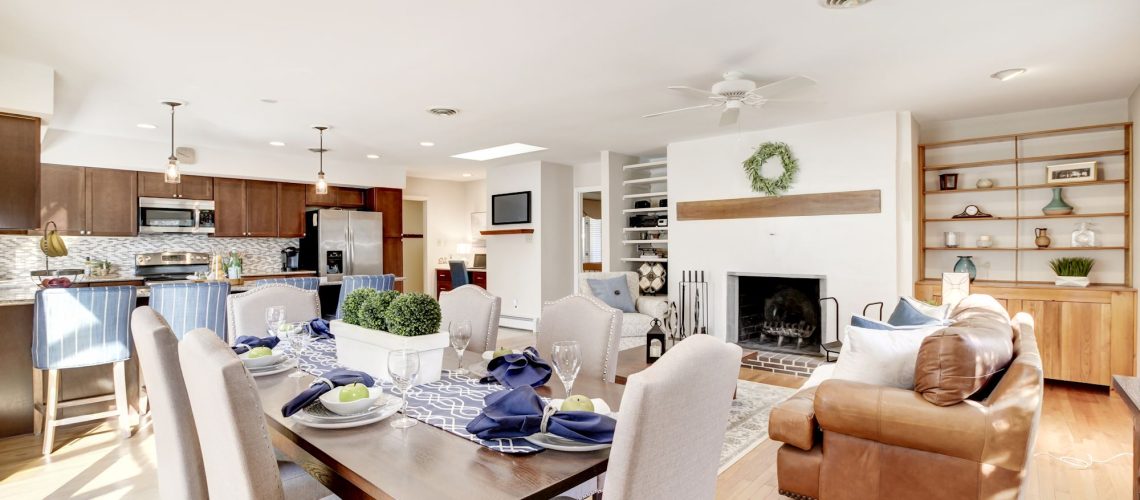
Yes—staging is even more important for vacant homes than occupied ones.
Why staging matters for vacant properties:
- Rooms photograph dramatically better with furniture
- Buyers can visualize scale and furniture placement
- Staged homes feel warmer and more inviting
- It signals that someone is caring for the property
- Staged homes sell faster and for more money
Staging options:
- Full staging: Furnish main rooms (living room, primary bedroom, kitchen/dining). Cost: $2,000-$5,000/month.
- Partial staging: Key rooms only. Cost: $1,000-$2,500/month.
- Virtual staging: Digitally add furniture to photos. Cost: $100-$300 total. (Helps online, but buyers still walk into empty rooms.)
Compare staging costs to the cost of a price reduction. If your home sits for two months and you drop the price $15,000, you would have been better off spending $4,000 on staging.
How do I maintain a vacant home while it’s listed?
An empty house still needs care—arguably more than an occupied one.
Weekly/biweekly tasks:
- Mow lawn and maintain landscaping
- Check for mail, flyers, or packages (have them stopped or forwarded)
- Walk through interior for leaks, pests, or damage
- Flush toilets and run water to prevent drain traps from drying out
- Check HVAC is running (prevent frozen pipes in winter, mold in summer)
Keep utilities on:
- Electric (lights, security, HVAC)
- Water (for showings, toilet flushing, testing)
- Gas (if needed for HVAC or water heater)
- Internet (if you have security cameras)
If you’re not local, hire a property manager, ask a neighbor, or work with an agent who includes property checks in their service.
Should I fix up a vacant home before selling?
It depends on the home’s condition and how you acquired it.
If you lived there and maintained it: Focus on cleaning, touch-up paint, and curb appeal. Major renovations usually aren’t necessary.
If it’s an inherited or neglected property: You have options:
- Sell as-is: Price accordingly, target investors or cash buyers. Faster, but lower price.
- Make strategic repairs: Fix safety issues, update cosmetics (paint, flooring, fixtures), improve curb appeal. Moderate investment, broader buyer pool.
- Full renovation: Rarely worth it for estate sales—you’re unlikely to recoup costs.
Disclose known issues regardless of approach. Hiding problems creates legal liability.
A good agent can advise which repairs are worth the investment for your specific property and market.
What if the vacant home is inherited?
Inherited properties have additional considerations:
- Legal authority: You need Letters Testamentary (from probate) to sell. This can take weeks to months.
- Multiple heirs: All owners typically need to agree on the sale. See: When siblings disagree on selling a family home.
- Cleanout: Someone has to sort through belongings. This is emotionally and logistically draining.
- Deferred maintenance: Elderly parents often let maintenance slide. Budget for surprises.
- Tax implications: Inherited properties get a “stepped-up basis”—consult a tax advisor.
For more details: How Do I Sell My Parents’ House?
How do I handle showings on a vacant home?
Vacant homes are easier to show (no scheduling around occupants), but require different protocols.
Best practices:
- Use a lockbox with tracking. Know who accessed the property and when.
- Require agent-accompanied showings. Don’t allow unaccompanied access.
- Check the property after showings. Confirm doors locked, lights off, nothing disturbed.
- Keep valuables out. Don’t leave appliances, fixtures, or staging items that could be stolen.
- Consider limiting open houses. They draw crowds—including people who aren’t buyers.
Your agent should have systems to manage showings securely.
How can The Cyr Team help sell a vacant home?
We work with many sellers managing vacant properties—whether from out of state, after inheritance, or during life transitions like divorce or relocation.
What we provide:
- Regular property checks and monitoring
- Coordination with staging companies, cleanout services, and contractors
- Guidance on which repairs are worth making
- Secure showing protocols with tracked lockbox access
- Communication with neighbors and local contacts
- Full transaction management from listing to closing
Selling from a distance or managing an estate? We’ve done it many times and know how to handle the details you can’t manage yourself.
Ready to sell your vacant home?
Vacant properties require extra attention, but with the right preparation and support, they sell successfully every day.
Contact The Cyr Team today for a consultation on your vacant property. We’ll assess its condition, recommend a strategy, and help you sell with confidence.
Related reading: