
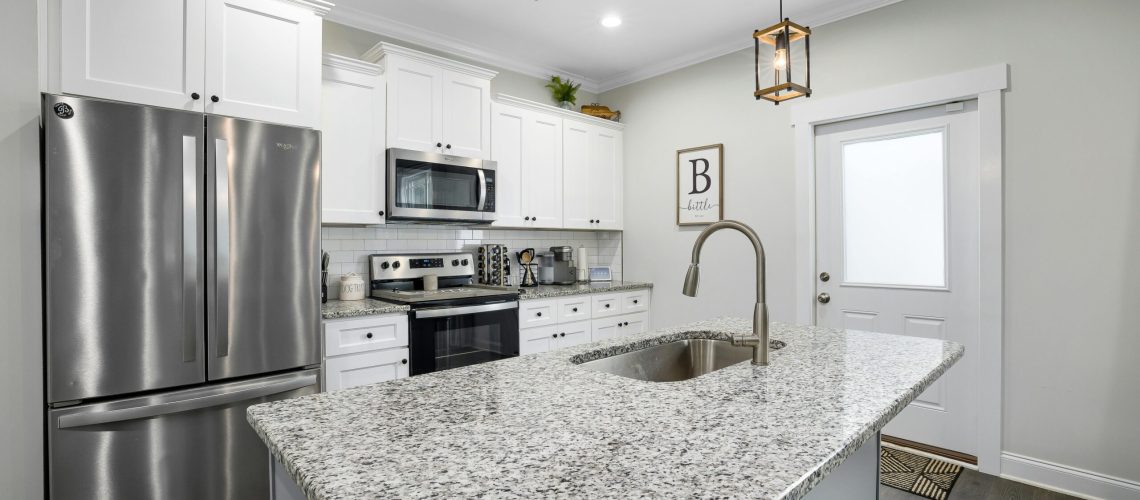

What Is a Flipped Home?
A flipped home is a property that was purchased — often in distressed condition — renovated, and resold for profit in a short period of time. Flippers buy low, invest in improvements, and sell high. The business model depends on speed and margin, which creates incentives that don’t always align with buyer interests.
Some flips are done well by experienced renovators who do quality work. Many are not. The challenge for buyers is telling the difference — because from the outside, a well-done flip and a poorly-done flip can look identical.
Why Don’t We Like Flipped Homes?
We’ve seen too many buyers get burned. Here’s the reality of how most flips work:
Cosmetics over substance. Flippers know what sells: new kitchens, updated bathrooms, fresh paint, new flooring. These are the visible upgrades that photograph well and create emotional appeal. What buyers don’t see is what’s behind the walls — the electrical, plumbing, HVAC, insulation, and structural components that actually matter for long-term ownership.
Speed over quality. Time is money in the flipping business. Every month a flipper holds a property costs them in carrying costs (mortgage, taxes, insurance, utilities). This creates pressure to cut corners, skip permits, and use the cheapest materials and labor available.
Masking problems instead of fixing them. A flipper’s goal is to make the house look good enough to sell. That cracked foundation? Cover it with new drywall. That leaky roof? A fresh coat of paint on the ceiling. That outdated electrical panel? Leave it alone — most buyers won’t notice. These hidden issues become your problems after closing.
Inexperienced or unlicensed contractors. Professional renovators hire licensed tradespeople and pull permits. Budget flippers hire whoever is cheapest — sometimes doing the work themselves without proper training. The result is work that may not meet code and could be unsafe.
Watch our full breakdown:
What Problems Do Buyers Find After Buying a Flip?
The issues we see most often in flipped homes:
- Electrical problems — Overloaded panels, improper wiring, missing junction boxes, outlets that aren’t grounded or GFCI-protected where required
- Plumbing shortcuts — Improper connections, undersized pipes, drain issues hidden behind new vanities, water heaters at end of life
- HVAC neglect — Systems that are old, undersized, or poorly maintained — because buyers focus on the new kitchen, not the 20-year-old furnace
- Roof and structural issues — Problems covered up rather than fixed, water damage painted over, foundation cracks hidden behind finished basements
- Unpermitted work — Renovations done without permits, which can create problems for insurance, resale, and safety
- Code violations — Work that doesn’t meet current building codes, especially in older homes where flippers didn’t bring systems up to standard
- Cosmetic cover-ups — New flooring over damaged subfloors, fresh paint over water stains, new cabinets hiding plumbing leaks
These aren’t hypothetical concerns. We’ve represented buyers who discovered $30,000+ in problems within the first year of owning a flip — problems that were invisible during the showing but very real once they moved in.
How Can I Tell If a Flip Was Done Well?
Some flips are done right. Here’s how to spot quality work:
Permits were pulled. Check with your local municipality. Legitimate renovators pull permits for electrical, plumbing, structural work, and HVAC. If major work was done without permits, that’s a red flag.
Licensed contractors did the work. Ask for documentation. A quality flipper will have receipts, warranties, and contractor information. If they can’t tell you who did the work, be concerned.
The flipper has a track record. Some flippers are experienced builders who take pride in their work. Others are first-timers chasing HGTV dreams. Research the seller — have they done other projects? What’s their reputation?
The renovation timeline makes sense. If a house was purchased three months ago and completely renovated, that’s an aggressive timeline. Quality work takes time. A flip that was bought and relisted in 60 days should raise questions.
Systems were updated, not just surfaces. Look beyond the pretty finishes. Was the electrical panel upgraded? Is the HVAC new or just cleaned? Was the roof replaced or just patched? The best flips address infrastructure, not just aesthetics.
What Should I Do Before Buying a Flip?
If you’re seriously considering a flipped home, take these steps:
1. Research the property history. When was it last sold? For how much? How long did the flipper own it? What did it look like before? Sometimes you can find old listing photos that show the original condition.
2. Check permit records. Visit your local building department or check online. See what permits were pulled (if any) and whether they were closed out with inspections.
3. Get a thorough inspection. This is non-negotiable. Hire an experienced inspector who knows what to look for in flipped homes. Don’t use the cheapest option — a good inspection is worth every dollar. Consider additional inspections for sewer scope, HVAC, and electrical if the general inspection raises concerns.
4. Ask questions. Request documentation of all work done. Who did the electrical? Who did the plumbing? Are there warranties? If the seller can’t answer these questions, proceed with caution.
5. Don’t fall in love with the staging. Flippers are good at making houses look appealing. That’s their job. Look past the pretty finishes and focus on what matters: the bones of the house, the systems, and the quality of the work.
Are All Flips Bad?
No. Some flippers are experienced builders who do excellent work and stand behind it. The problem is that buyers can’t easily tell the difference between a quality renovation and a cosmetic cover-up — and by the time you find out, you own the house.
Our advice isn’t “never buy a flip.” It’s “be extremely careful, do your homework, and don’t let pretty finishes distract you from real due diligence.”
If you’re a first-time buyer, flips can be especially tempting because they look move-in ready. But first-time buyers are also the least equipped to spot problems and the most financially vulnerable if something goes wrong. We’d rather see you buy a well-maintained older home that needs cosmetic updates than a flip that looks perfect but has hidden issues.
How Does The Cyr Team Help Buyers Evaluate Flips?
With 17+ years of experience and 400+ home sales, we’ve seen enough flips — good and bad — to know what to look for. When our buyers are interested in a flipped property, we:
- Research the property’s history and the seller’s track record
- Look for red flags during showings that inexperienced buyers miss
- Recommend inspectors who know how to evaluate renovated properties
- Help you interpret inspection findings and negotiate accordingly
- Advise you honestly if we think a property is too risky
Our job isn’t to talk you into a house. It’s to make sure you know what you’re buying — and to protect you from expensive surprises.
If you’re considering a flipped home in Chester County, Delaware County, or Northern Delaware — or if you want help finding a quality home that doesn’t come with hidden risks — contact The Cyr Team.